Zone 01 · Independent course brief

Parking Challenges and Driving Skills

This practical companion is for Canadian visitors exploring Advance Parking Car Sim Game by Creative Gamers Studio. precisionparkway is an independent English-language informational review website, not an official developer guide. Here, the useful work is deliberate positioning: reading space, choosing a line, and giving each vehicle movement enough attention to learn from it.

Our guidance uses transferable parking-simulator habits rather than unpublished game data, official instruction, or assumptions about specific levels.

A precision driving game can make small choices visible. In any car driving simulator, the aim is not simply to arrive near a bay; it is to observe the route, make measured corrections, and keep the vehicle aligned with the intended space.

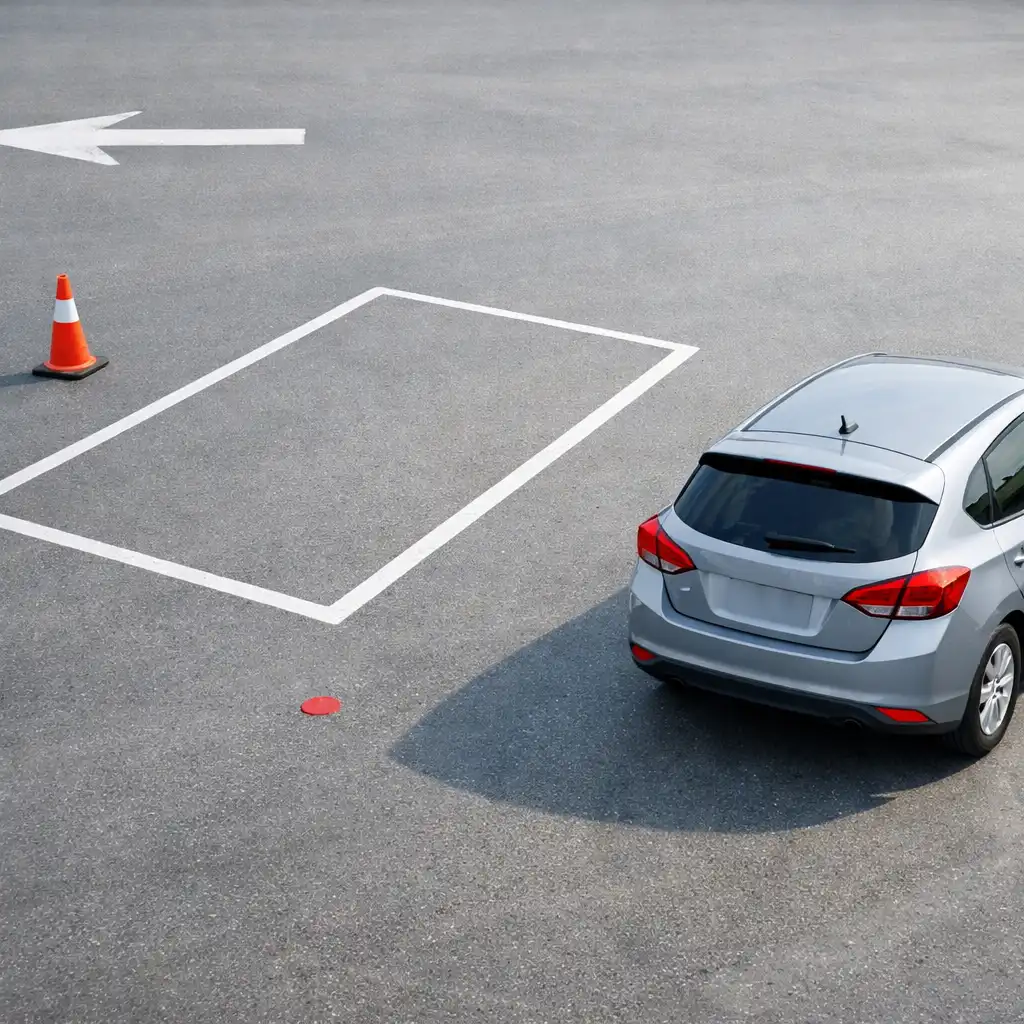
Unbranded compact car approaching a marked parking bay in a bright practice lot
Reference first: space, approach angle, then a calm correction.
Pre-manoeuvre routine

The Three-Point Read

Before steering, give the space a short, purposeful read. Planning is not a delay; it is the part of a parking attempt that makes the next input easier to understand.

  1. 01

    Read the space, not only the target

    Look beyond the final stopping area. Notice the bay boundaries, the lane that leads into them, the available entry angle, and the room your path will need. A cleaner entry often begins before the vehicle reaches the bay, because the approach lane gives you time to establish position rather than improvising beside the lines.

  2. 02

    Choose an approach line

    Enter wide enough to leave space for a controlled correction. Turning too early can narrow the route and create a larger adjustment later. The most useful line depends on the space and on the vehicle response you are experiencing, so use visual alignment, pace, and recovery room as your guides.

  3. 03

    Decide where to pause

    A brief pause before a major turn or final straightening move is a precision habit, not hesitation. Check one thing at a time: rear alignment, side clearance, then final placement. That simple sequence turns a parking game review into repeatable practice: observe → adjust → continue.

Zone 02 · Control board

Driving Skills That Keep Corrections Small

When an attempt starts to drift off line, the goal is not to chase every movement. These broad habits help make a parking position more readable and a recovery more manageable.

Steering in measured inputs

Short, deliberate steering changes are easier to evaluate than sweeping turns made when the vehicle is already close to a boundary. Notice what one input changes before adding another. Timing and direction matter more than constant wheel movement, whatever general control method you use while playing.
Recovering without rushing

If the approach no longer supports a clean finish, pause and identify the problem before forcing the same angle again. Create space where possible, then restart the line more deliberately. A thoughtful recovery is useful beginner practice because it separates the decision that went wrong from the next movement you choose.

Straightening before the final stop

A final straightening movement can make placement easier to judge than stopping while the body remains visibly angled. Use surrounding lines and open space as references. One calm correction is often clearer than a chain of fast reversals.

Spatial practice

Challenge Patterns Worth Practising

These are common parking-space problems to recognize, not a catalogue of confirmed game modes. Use them as lenses for deciding which observation or control habit to practise next.

Unbranded car near clear painted bay lines in an open paved practice lot
Bay geometry is a useful reference for planning an entry, turn, or change of direction.

Narrow bay placement

When visible margins feel limited, centre the vehicle through early alignment and patient final corrections. Use boundary lines as reference rather than staring only at the front of the vehicle. A better entry angle can reduce late steering and leave a clearer sense of margin and stopping position.

Look for: alignment · margin · stopping position

Corner and turn-in planning

A turn toward a marked space benefits from a deliberate entry point and a clear idea of where the vehicle should end up. Think about the path through the turn, not only the steering direction. In a parking simulator, a tight corner may call for a pause and a fresh view of the route.

Reverse-style alignment practice

Backwards positioning is a useful exercise in spatial awareness, observation, and controlled correction. Choose a visual reference point before changing direction, use small inputs, and reassess often. For adaptable viewpoint considerations, continue to the camera and vehicle-control guide .

Orientation

Use Camera and Control Awareness Deliberately

Perspective and input feedback can support better decisions when you treat them as information, not as a reason to rush.

View / clearance / line

Choose the view that answers the current question

If the game offers more than one view, consider which perspective best reveals immediate alignment, nearby clearance, or the direction of travel. Change perspective for information, not constantly under pressure. Once you have the answer you need, return attention to the next deliberate movement.

Input / observe / decide

Treat inputs as information

Notice how a small steering, acceleration, or braking input changes position, then use that feedback to choose the next move. For an Android parking game, slowing the decision cycle can be more useful than repeatedly changing inputs. It supports consistent driving skills and less frantic correction.

Explore camera and control awareness
Review routine

A Calm Attempt Loop

A difficult attempt becomes more useful when you review one visible decision instead of repeating the same route without a plan.

  1. 1

    Make one goal visible

    Choose one practical objective for the next attempt: a cleaner entry line, more centred placement, or a calmer final correction. Keep it specific and observable. Trying to fix every part of a manoeuvre at once makes the next result harder to read.

  2. 2

    Identify the first turning point

    Review where the attempt first began to drift: the approach, the turn-in moment, a direction change, or the final stop. Find the first cause rather than only the final result, using visible parking lines or vehicle angle as reference points.

  3. 3

    Change one input or decision

    One deliberate adjustment creates useful feedback; several simultaneous changes do not. Start slightly wider, pause earlier, or make a smaller steering correction, then observe the result. Keep the lesson simple: one change, one observation.

  4. 4

    Carry the lesson forward

    Each successful correction can become a reusable habit for later parking situations. Think of level progression as a player-learning journey rather than an assumed unlock structure: confidence grows through repetition, observation, and patience. For a broader starting routine, see the beginner tips guide .

Diagnostic station

When an Attempt Feels Harder Than Expected

The vehicle looks close, but is not aligned

Visual closeness to the space does not always equal a clean vehicle angle. Before committing to the final stop, take a short pause to check orientation and available margin. Small visible angle differences can matter to your own precision goal, even without assuming any particular pass or fail tolerance.

Pause / read / reset

Corrections start to pile up

Repeated rapid changes can obscure the original problem. Stop the cycle, create a clearer approach where possible, and change one decision at a time. That calm reset connects back to the attempt loop without turning a mistake into a verdict on your ability.

A successful result still feels inconsistent

Repeatable reference points and a consistent approach routine can make improvement easier to recognize across different parking situations. Consistency comes from practice, not a hidden shortcut. Continue with the Parking Guide for foundational manoeuvre thinking in this independent parking game review.

Zone 03 · Editorial context

What This Focus Adds to a Parking Simulator

A parking-focused experience can create a different kind of pace from more speed-driven driving games. For visitors looking for a measured car driving simulator experience, the appeal can be in observation and positioning: looking at a route, deciding on a line, and seeing whether the next small choice makes the vehicle easier to place.

Small choices become visible

Approach angle, steering timing, and stopping position give players concrete details to notice and improve. That returns to the three-point read: a space is not simply a target, but a route with boundaries and moments for reassessment. It is a useful way to decide whether a precision driving game sounds appealing.

The useful measure is repeatability

Satisfying improvement can be recognizing a better approach and repeating it, rather than relying on an unverified reward or progression claim. Preferences differ, but visitors who value that kind of practice can find broader independent context in the Full Review .

Reference first

Practice With a Clear Reference

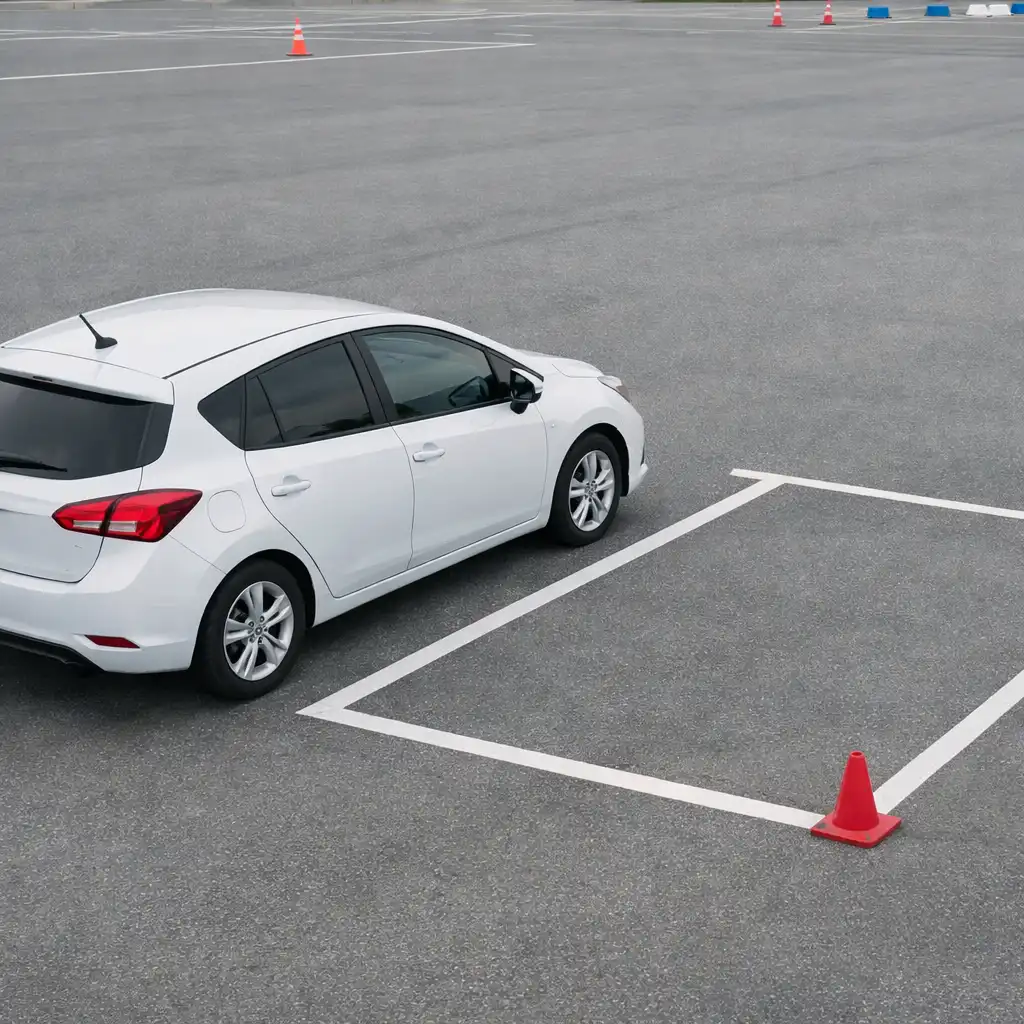
Unbranded compact vehicle paused near visible parking-space reference lines in an outdoor practice area

Build the attempt from the approach

Final placement is easier to manage when you first identify the space, angle, and a point for reassessment. Read the route, choose a line, then leave yourself enough attention for a calm correction. This approach does not promise an outcome; it gives each attempt a clearer reference.

Next step

Continue the Review or See the Listing

For current installation details about Advance Parking Car Sim Game, visit the external Google Play listing. precisionparkway remains an independent informational review site rather than the official game site, and you can also continue with our related editorial coverage.