Independent gameplay briefing

Cars and Gameplay Guide

This independent Precision Parkway guide examines Advance Parking Car Sim Game, an Android parking and driving simulator from Creative Gamers Studio. We are not the official game site; our aim is to help Canadian visitors read its parking-focused premise with a practical, neutral eye before deciding where to learn more.

Rather than list unverified features, this car driving simulator guide looks at cars, vehicle control, camera views, parking challenges, level progression, and precision-driving habits as one routine. Think of it as a parking game review lens: use the current Google Play listing for live details and installation information, then use these notes to assess the driving experience you want.

Course focus route reading · controlled placement · useful visibility
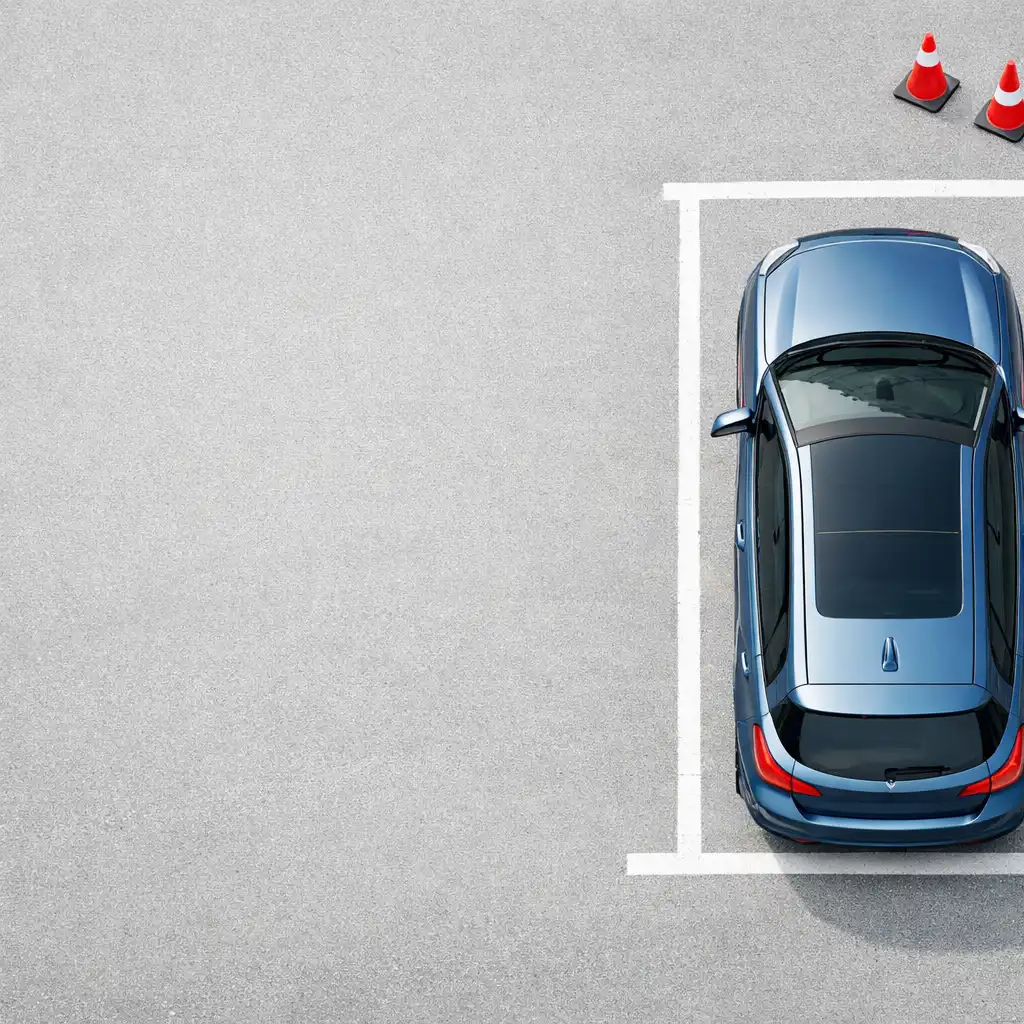
Top-down view of an unbranded car positioned beside marked parking bays.
Generic precision-parking context, not a game screenshot.
Parking-first routine

The parking-first gameplay loop

A parking-focused simulator is easiest to approach as a chain of small decisions: read the available room, guide the vehicle with intention, then refine the final position. That perspective keeps attention on placement rather than speed.

01

Read the parking objective first

Before making a committed move, a useful precision-driving habit is to pause and study the visible space. Identify the target bay or constrained area, consider the likely approach, and picture the final orientation of the vehicle. This is not a claim about a named game mechanic; it is a practical way to reduce unnecessary corrections. A clearer route plan can leave more room to turn, straighten, and make a calm final adjustment.
02
Route note

Guide the car in small decisions

For a car parking game Android experience, a useful approach is to make room for the vehicle’s path, turn deliberately, and observe what changes after each movement. Parking does not need to be treated as a speed test. In a precision driving game mindset, spacing, steering timing, and incremental correction matter more than forcing one dramatic turn. If the route begins to feel crowded, slowing the decision down can reveal a cleaner line.

03

Finish with alignment, not momentum

Reaching a parking area is different from placing a vehicle carefully within it. A useful finishing check is whether the car looks straight, has sensible clearance, and has come to a controlled stop. When the angle is no longer helpful, revising the approach can be more useful than forcing the last movement. For manoeuvre-focused help, continue to the Precision Parking Guide.

Vehicle observation

Vehicle behaviour: what to observe

When learning a parking challenge, the helpful question is not whether a vehicle feels fast or slow. It is whether you can read its position, preserve turning room, and make corrections before the route becomes too tight.

Turning room

The practical question is not simply whether a car turns, but whether you have left enough room for the front and rear path to clear a bay edge or nearby boundary. Where room permits, a wider setup can make the eventual turn easier to understand. Tight turns can change alignment quickly, so it helps to watch where the vehicle is heading before the final part of the movement becomes difficult.

Forward and reverse positioning

Forward and reverse movement can be treated as complementary positioning choices in parking practice. The learning goal is visibility, angle, and a controlled route into the space, not a particular control layout. Before committing, compare the visible room around the vehicle and consider which direction gives you the clearest reference points. That habit can be especially useful when building beginner confidence.

Correction discipline

A calm reset is part of precision practice, not a failure. If the approach angle no longer looks useful, leave room, straighten where possible, and re-enter with a clearer line. This avoids inventing penalties or scoring rules while still giving a practical coaching principle: a deliberate correction often teaches more than a rushed finish. Visit Beginner Tips for a first-session learning route.

Approach geometry

Think through the turn before you make it

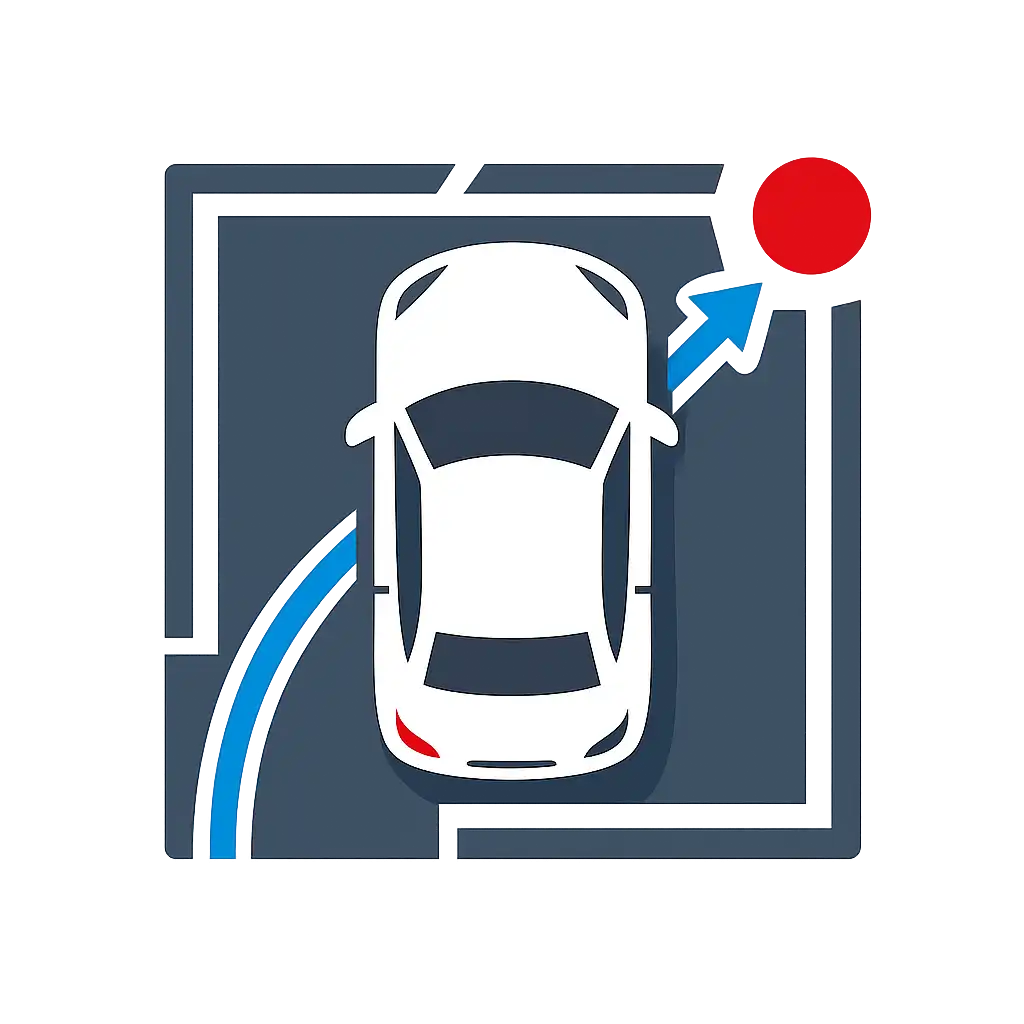
This generic diagram is a learning aid, not a map, game screen, confirmed level, or control scheme. It shows how an outside setup can create room for a controlled final line.

Generic parking approach route A blue route begins outside a marked parking bay, curves toward it, and ends at a red target zone inside the bay. A B
Blue A marks an illustrative setup route; red B marks a conceptual final target inside the bay.
A

Set up outside the target space

A clearer starting position can create a more manageable turn-in path, especially when you need to see the vehicle’s final angle. The blue route is only an illustrative learning aid, not a game instruction. Adapt the idea to the visible challenge: begin where you have room to observe, then choose a path that leaves space for a measured turn.

B

Aim for a controlled final line

The red target represents an end-position concept, not a confirmed game level. Arrive with enough space to straighten and check the vehicle’s relationship to the bay. Alignment and clearance are useful things to observe without assuming a scoring rule. If the final line looks crowded, a revised approach may be the more controlled choice.

Visibility routine

Camera views as a driving aid

Where camera options are available, use them intentionally. The most helpful perspective is the one that makes the next parking decision easier to read, not the one that merely looks most dramatic.

Use

Use the view that shows the decision

A camera view is most useful when it reveals the immediate choice: approach angle, bay boundary, vehicle placement, or nearby clearance. If the current perspective hides the reference point that matters most, changing view can be a sensible step. Camera views are aids to observation, not a substitute for calm steering and controlled movement.

Reference

Check the car’s relationship to the bay

Use available visibility to judge how the vehicle sits relative to the space. Bay lines, edges, and final alignment can provide useful reference points for precision parking. The goal is not to assume a particular perspective exists, but to choose the view that makes the vehicle-to-bay relationship understandable before a turn becomes difficult.

Confirm

Change view before a late correction

Before making a last-minute adjustment, check whether a clearer view would help you decide to continue, straighten, or reset the approach. That is broadly useful advice for a parking simulator and does not depend on a stated button layout. Read more in our Camera Views and Vehicle Control guide.

Practice route

Challenge progression as practice

Parking challenges and level progression can be read as opportunities to build a repeatable routine, not as a promise of stage counts, unlocks, or official objectives.

01

Start with observation

Use early attempts to learn the visible space, identify a likely target position, and notice where control becomes difficult. This is a practice method rather than an exact level order. Observing an approach before trying to optimize it gives new players a lower-pressure way to understand what the parking challenge is asking of their attention.

02

Repeat one skill at a time

For a replay or a next challenge, choose one focus: approach angle, steering timing, visibility, or final alignment. Deliberate repetition can make driving skills easier to notice because each attempt has a purpose. This does not assume retry features or tracking; it is simply a useful way to turn general parking practice into smaller, clearer decisions.

03

Notice the reason for a miss

Useful reflection asks whether an attempt became difficult because of angle, space, timing, or visibility, rather than relying on vague frustration. Review the route, not just the result. That supportive habit keeps attention on vehicle control and parking choices without assuming collision detection, failure messages, or penalty systems.

04

Build confidence through control

Calm, repeatable vehicle control can grow from incremental practice; it is not a guarantee of instant mastery. Newcomers can pair the site’s Beginner Tips with the game’s current Google Play information to decide what to explore next and to keep their attention on a cleaner approach rather than a rushed result.

Reader-fit check

What this gameplay may suit

Good starting point

A fit for careful parking practice

Advance Parking Car Sim Game may suit visitors looking for a parking-focused car driving simulator experience who enjoy deliberate placement over vague driving action. Consider it if the appeal is reading a space, making a measured approach, and improving the final position through observation. That is the precision-parking lens used across this guide, rather than a promise about specific modes, vehicles, or outcomes.

An independent review boundary: Precision Parkway provides editorial guidance and does not represent Creative Gamers Studio, Advance Parking Car Sim Game, or Google. We do not claim access to developer information beyond the factual reference points identified on this page.
Practical field notes

Gameplay field notes

01

Plan the first movement

Begin by identifying where the car needs to be positioned before the main turn, rather than reacting only after entering a tight area. This general habit works with any visible parking challenge and can make control feel calmer. The first movement is often most useful when it protects room for the decision that follows.

02

Keep visual references in view

Use visible bay lines, edges, and vehicle alignment as reference points. Where a perspective change is available and the current view hides the needed relationship, checking another view can help. Our camera-control guide explains this observation-first approach in more detail.

03

Choose control over speed

Steady placement is the useful goal in a parking simulator. Leave room for a correction and value a cleaner approach over a rushed one. That supportive rule avoids assumptions about timers or penalties while keeping attention on the practical result: a route you can read and a final position you can check.

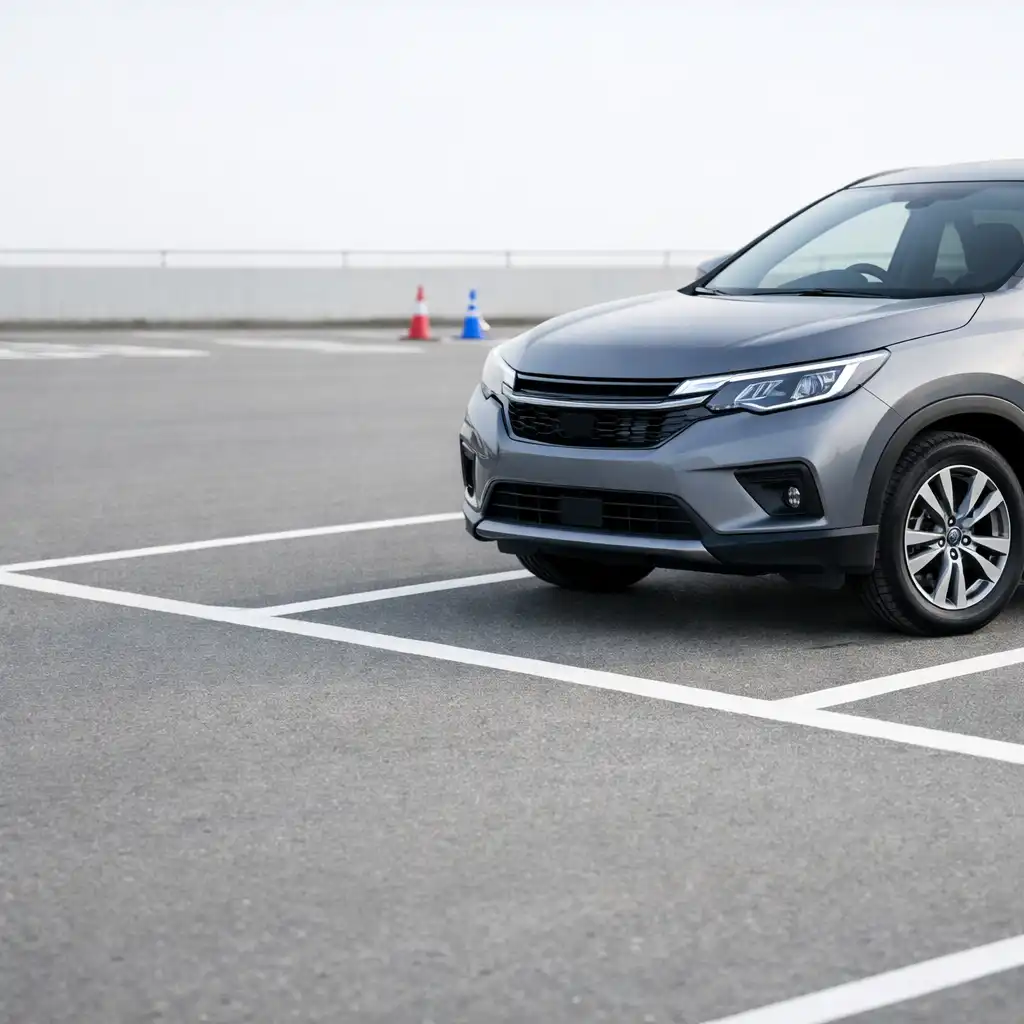
An unbranded car carefully approaching a marked outdoor parking space.
Generic parking context, used to illustrate careful approach geometry.
Next route

Continue your parking course

Choose the next guide that best matches the part of parking practice you want to focus on.

Parking Guide

For manoeuvre planning, bay positioning, and precision-parking habits, continue to the Parking Guide. It builds on this overview with a closer look at how to read space and prepare a controlled route.

Beginner Tips

For a lower-pressure starting point, visit Beginner Tips for practical suggestions on building confidence with parking challenges and vehicle control without promises of instant rewards or quick wins.

Full Review

For broader independent context around Advance Parking Car Sim Game, read the Full Review. For current official listing details, keep Google Play as the source destination.

Current listing

Check the current listing

For current listing information or installation of Advance Parking Car Sim Game, visit Google Play. Creative Gamers Studio is identified there as the developer. This Precision Parkway guide remains independent editorial content and does not confirm availability, compatibility, pricing, or unchanged features.

View on Google Play